

When we talk about aging, most people still equate it with birthdays and milestones. But in the real world — especially in high-performance, corporate, and entrepreneurial environments — biological age vs chronological age tells a far more hard-hitting story.
Your chronological age simply reflects the number of years you’ve lived.
Your biological age reflects how efficiently your body is functioning today — at a cellular, metabolic, and physiological level.
And for many driven professionals, the uncomfortable truth is this:
Your body may be aging faster than the calendar.
This gap doesn’t happen overnight. It compounds quietly — fueled by stress, lifestyle trade-offs, sleep debt, poor recovery cycles, metabolic inefficiencies, and chronic inflammation.
In leadership circles, we call this silent performance erosion — you still deliver outcomes, but the body is paying a hidden price.
Let’s break it down.
What Is Chronological Age?
Chronological age is the simplest metric we know — the number of years since birth.
It does not measure:
- Cellular damage
- Oxidative stress
- Chronic inflammation
- Metabolic strain
- Hormonal disruption
- Sleep debt and circadian imbalance
That is why two individuals aged 45 can have completely different health profiles:
One may be energetic, resilient, and metabolically efficient.
The other may experience fatigue, weight resistance, poor recovery, brain fog, and early risk markers — despite “normal” health reports.
Chronological age is linear.
Biological aging is dynamic.
What Is Biological Age?
Biological age reflects the true functional health of your body — how your cells, organs, metabolism, and systems are performing today.
It is influenced by:
- Metabolic efficiency
- Inflammation levels
- Mitochondrial performance (cellular energy)
- Hormonal balance
- Stress load
- Gut microbiome diversity
- Sleep quality and recovery
A higher biological age indicates:
- Accelerated internal aging
- Reduced resilience
- Higher long-term disease risk
- Slower recovery and repair cycles
This is why many professionals say:
“My reports look normal — but I don’t feel normal.”
Traditional diagnostics look at disease thresholds.
Biological aging looks at early decline indicators long before disease develops.
That’s the difference between reactive healthcare and proactive longevity management.
Why Professionals Age Faster Internally
Let’s call a spade a spade — modern work culture rewards output, not recovery.
Across leadership, startup ecosystems, consulting, financial services, healthcare, and corporate roles — we frequently observe:
- Chronic stress with limited downtime
- Late nights and early calls
- Caffeine masking fatigue
- Sedentary screen-heavy workdays
- Irregular meals and late dinners
- Business travel and jet lag
- Alcohol-linked social networking
- Fragmented sleep cycles
The mindset becomes:
“Push through now — recover later.”
But the body keeps score.
These stressors trigger:
- Systemic inflammation
- Metabolic inefficiency
- Hormonal disruption
- Gut microbiome imbalance
- Mitochondrial fatigue
Externally — performance continues.
Internally — biological aging accelerates.
This is not burnout — it’s gradual physiological wear-and-tear that compounds over years.
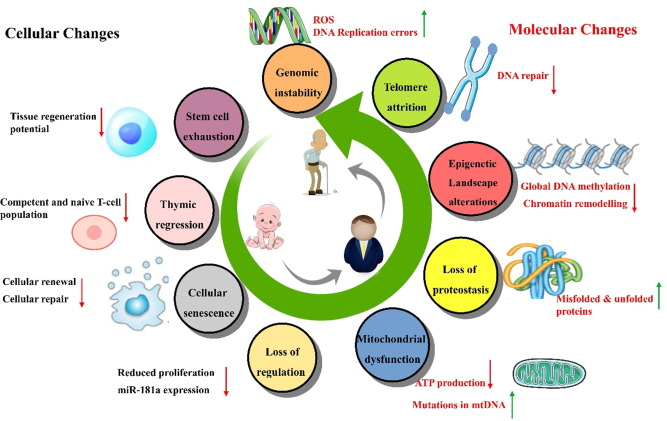
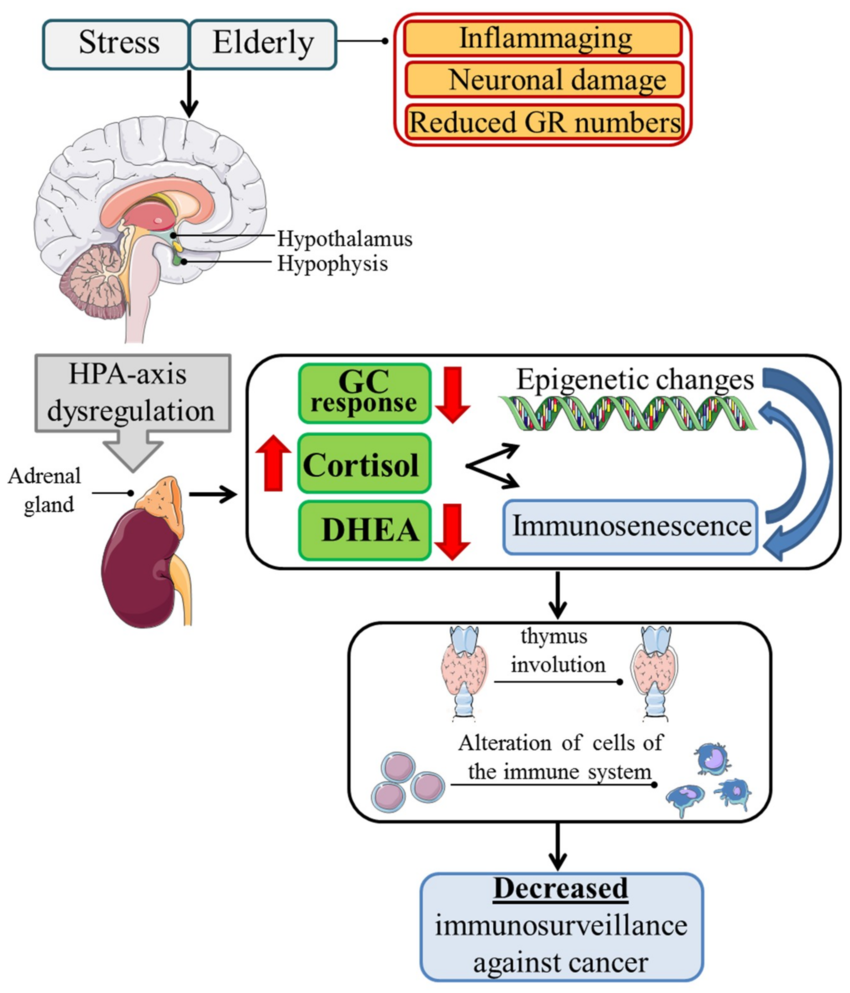
Biological Age vs Chronological Age — Why the Gap Matters
Understanding your biological age helps explain what routine reports often miss.
It answers questions like:
- Why energy levels are declining
- Why weight loss has plateaued
- Why recovery feels slower
- Why sleep no longer feels restorative
- Why workouts feel heavier than before
- Why stress tolerance is dropping
And most importantly —
Why your health feels older than your age.
Biological aging is the leading indicator.
Chronic disease is the lagging outcome.
Early intervention happens when we detect the problem upstream — at the cellular level — instead of waiting for symptoms or diagnoses.
How Biological Age Is Measured Today
Modern longevity science evaluates biological aging using advanced biomarkers such as:
- DNA methylation & epigenetic age
- Inflammatory markers
- Mitochondrial efficiency
- Metabolic resilience indicators
- Gut microbiome diversity
- Stress and circadian rhythm patterns
Unlike conventional test panels — these insights assess how well your body is functioning, not just whether it is diseased.
This allows for:
- Early detection
- Preventive action
- Personalized lifestyle protocols
- Longevity-driven interventions
In simple terms — it helps future-proof your health span, not just your lifespan.
Early Warning Signs of Accelerated Biological Aging
You may be biologically older than your chronological age if you experience:
- Reduced energy consistency
- Persistent fatigue despite rest
- Slower post-workout recovery
- Weight gain or difficulty losing weight
- Higher stress sensitivity
- Frequent inflammation or pain
- Poor gut health or digestion
- Decline in focus and productivity
These are not “ageing symptoms.”
They’re early system inefficiency signals.
And they need to be addressed — before they become chronic.
Why Knowing Your Biological Age Is a Strategic Health Decision
For senior professionals, entrepreneurs, executives, and decision-makers — health is not just personal.
It impacts:
- Leadership effectiveness
- Business continuity
- Cognitive stamina
- Strategic clarity
- Emotional resilience
When biological age is higher than chronological age, it means:
- Your body is working harder than it should
- Stress recovery cycles are compromised
- Long-term health risk is compounding silently
On the flip side —
Lowering biological age improves:
- Energy execution capacity
- Performance durability
- Sleep & recovery cycles
- Metabolic function
- Mental clarity and decision quality
This is not vanity science.
This is operational risk management for your body.
Chronological age is a number.
Biological age is a performance metric.
And if your lifestyle runs on constant hustle, deadlines, and high-pressure delivery — your biological age may already be ahead of your calendar age.
The good news?
Biological aging is modifiable.
With the right diagnostics, structured recovery, metabolic optimisation, and longevity-aligned interventions — you can slow, stabilise, and even reverse internal aging trends.
Your health doesn’t need to age at the speed of your workload.
It deserves better — and so do you.