

Introduction — Why Metabolism Matters More Than Weight
Most people chase weight loss. Longevity science prioritises metabolic health longevity because weight is an outcome, while metabolism is the operating system that drives energy, resilience, and biological aging. As illustrated in the model on page 2 of the document, individuals can appear lean yet remain metabolically unhealthy — while others may improve metabolic biology even before visible weight change occurs. Why Metabolic Health Matters Mo…
Metabolism determines how the body uses glucose, regulates insulin, burns or stores fat, and adapts to stress and inflammation. When these systems perform efficiently, healthspan improves.
What Metabolic Health Really Means
Metabolic health reflects the body’s ability to:
- regulate glucose and insulin responses
- generate sufficient cellular and mitochondrial energy
- shift between fat-burning and storage states
- control inflammatory signalling and stress responses
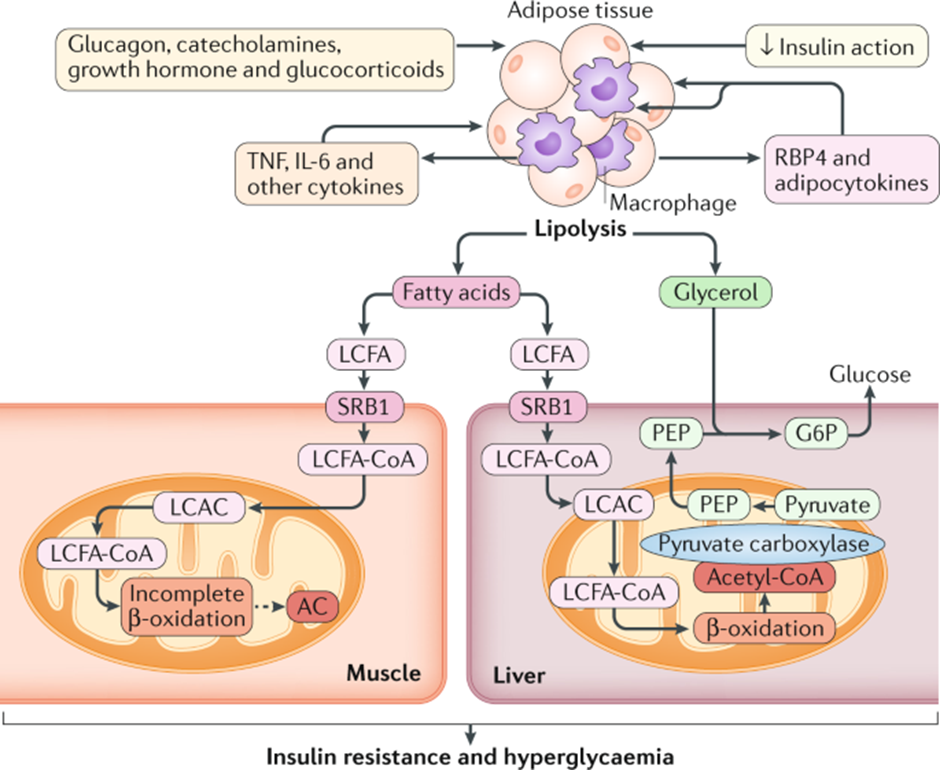
The pathway below diagram highlights how impaired lipid oxidation and insulin resistance disrupt muscle and liver pathways, reinforcing metabolic dysfunction.
In practice:
- a person may be slim yet metabolically unstable
- another may be overweight but improving metabolically
Longevity follows metabolism — not the weighing scale.
The Limitation of Weight-Focused Approaches
Conventional weight-loss frameworks often:
- restrict calories aggressively
- neglect insulin dynamics
- increase sympathetic nervous system stress
- slow metabolic rate over time
The short-term impact may look positive, but the longer-term outcomes frequently include:
- temporary fat loss
- muscle mass reduction
- rebound weight gain
- accelerated biological aging
This explains why highly disciplined individuals still struggle to sustain results — because the system, not the symptom, is being targeted.
Metabolic Health Longevity — The Link to Aging Biology
The hallmarks-of-aging framework on page 4 demonstrates how poor metabolic regulation accelerates genomic instability, mitochondrial dysfunction, cellular senescence, and altered intercellular communication.
Poor metabolic health drives:
- chronic low-grade inflammation
- mitochondrial energy deficits
- hormonal and metabolic rigidity
- faster biological and epigenetic aging
Correcting metabolism does more than change body composition — it influences how fast or how slowly a person ages.
The Smarter Strategy: Metabolic Correction
A clinically responsible strategy moves away from weight-centric targets and toward metabolic correction, which focuses on:
- improving insulin sensitivity
- restoring metabolic flexibility
- strengthening mitochondrial energy production
- reducing inflammatory and oxidative load
When metabolic systems stabilise, weight loss becomes a downstream effect — not a constant struggle.
This is a strategic, sustainable pathway for long-term healthspan extension and longevity-aligned outcomes.